Airport security remains a pressure point even for experienced travelers. Premium cabins, priority check-in, and private transfers help, but they do not exempt anyone from TSA queues. Delays have become less predictable due to evolving screening tech, staffing gaps, and shifting passenger volumes. For travelers who value time as much as comfort, planning around these slowdowns is now part of the journey.
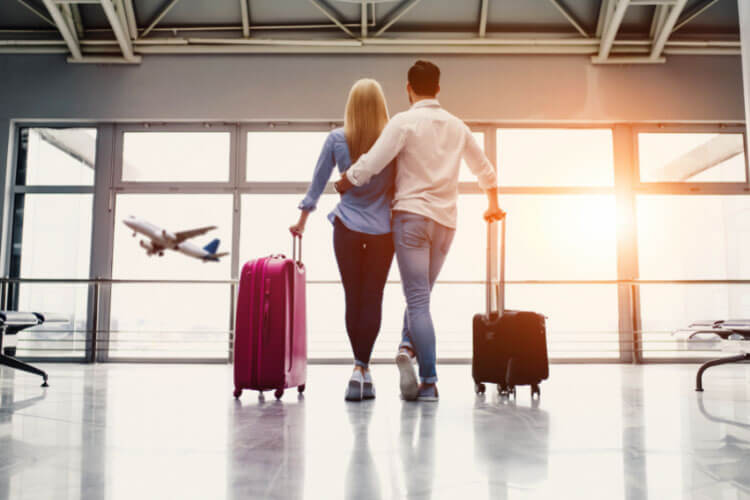
Why TSA delays feel different in 2026
Disruptions affecting the Department of Homeland Security have led to staffing issues. Many TSA agents are working in difficult conditions.
Some airports move quickly, while others slow down during re-calibration or training periods. At the same time, passenger numbers have surged on key international routes, especially in premium travel seasons.
Even with TSA PreCheck or Clear, delays still happen. These services speed up identity checks, but they cannot always bypass congestion at the physical screening stage. For luxury travelers used to seamless service, the inconsistency can be the biggest frustration.
How to plan for smoother airport arrivals
Arriving early remains the simplest buffer, but timing should be more strategic than ever. Early morning flights often face lighter security traffic, while late afternoon and evening departures tend to stack delays. Checking real-time airport data before leaving for the terminal can help you adjust.
Travelers can consult a TSA delays guide to anticipate patterns at specific airports. This resource advises on how to get through the airport more smoothly and a few small adjustments you can make for a lower-stress journey.
Private terminals and VIP services are expanding. In some major hubs, luxury travelers can access separate security screening areas with minimal queues. These services come at a cost, but for tight schedules, they may be worth it.
What premium status can and cannot do
Airline status still brings advantages, but it doesn’t eliminate TSA delays. Priority lanes for check-in and boarding help streamline parts of the journey, yet security screening remains largely standardized.
Where status does help is flexibility. Elite travelers are more likely to secure earlier flights or same-day changes if delays threaten their plans. Lounge access also softens the impact of arriving early, turning wait time into productive or restful time.
It is also worth noting that some airports are testing integrated biometric systems tied to airline profiles. These may eventually reduce friction, but for now they are limited and not always faster than traditional methods.
Packing and preparation tips that save time
What you bring and how you pack still affects your speed through security. Keeping electronics organized and accessible helps avoid secondary checks. Liquids rules have eased slightly in some airports with advanced scanners, but this is not universal, so it is safer to follow standard guidelines unless you know the airport’s setup.
Wearing simple, easy-to-remove items can also make a difference. Footwear, belts, and accessories that trigger alarms add small delays that build up over a busy travel year.
Digital boarding passes and updated ID compliance are now essential. Any mismatch or outdated document can lead to manual checks, which are slower and less predictable.
How luxury travelers can protect their time
The most effective approach is layering strategies. Combine trusted traveler programs with smart timing, real-time monitoring, and, when needed, premium services. Building extra margin into your itinerary is no longer a sign of inefficiency.
Just as a traveler might select the right hotel or transfer, they can plan how to move through security with minimal disruption.
