The Sacred Valley was the spiritual and agricultural heartland of the Inca Empire, featuring beautiful natural landscapes, countless important archaeological sites, delicious foods, challenging hikes, and memories that still put a smile on my face years later.
To make the most of your adventure through Peru’s must-see highlights, you can’t just ‘wing it’. This guide covers the things you must do before arriving in Cusco, and what to skip if you’re short on time.
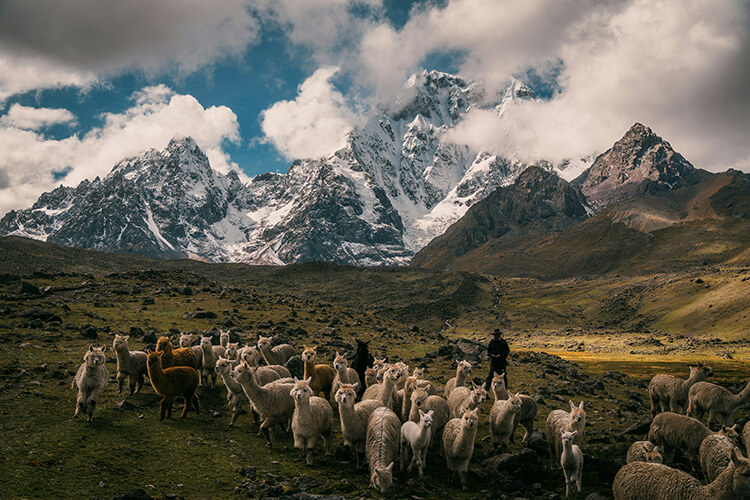
The guide will invariably put a fair amount of focus on the Inca Trail, but even if you’re not planning on doing the flagship trek of the Sacred Valley, the tips will still apply, and there is information on the other activities, too.
Plan Your Trip Early
The Sacred Valley is not a destination where you can just arrive and explore without a real plan. It really does enhance the experience if you learn the routes and booking the right hotels for your party.
Inca Trail
If you want to do the Inca Trail, you will need to do so via a certified local tour operator. G Adventures is a well-regarded tour provider, as is Intrepid Travel. Always double-check your tour provider has the proper certification, read reviews, and pick an ethical provider that respects the land, works with local guides, and invests in local communities.
The key thing is: there are only 200 passes per day. Some websites will tell you it’s 500, but that number includes crew and porters, so it’s a little misleading. The trail is incredibly popular, which means you should book your place early.
The trek isn’t overly long, ranging from 10-20 miles (depending on the chosen trail), but it is challenging and will take you several days to traverse. The tour operator will provide the food and will carry your overnight bags, so at least you will only have to deal with a backpack during the day.
Make sure you read the pre-arrival list carefully. Once you have left Lima, it will be difficult and/or expensive to buy the necessary supplies. You don’t want to be in the middle of the trek only to realize you don’t have the right breathable clothing or a warm jacket for the chilly nights.
Booking the Moving Parts
Your trip will also have several moving parts, from train tickets up to Machu Picchu, hotel bookings, internal transfers, bus journeys and trail bookings.Try to have these in place well ahead of time.
Additionally, make sure to have comprehensive travel insurance in place before departure. Coverage matters here because remote sections of the Inca Trail can be several hours from the nearest medical facility, and altitude sickness is a common reason travellers withdraw mid-trek. If your in the U.S Travel Insured International is a good option. In the U.K or Australia, you can organize insurance through your local post office.
Altitude and Pacing
Altitude should shape your itinerary, and you shouldn’t downplay the potential effects. Yes, even if you’re young, fit, and healthy.
The reason many people underestimate altitude is that the Inca Trail, and other hikes in the area, are not especially challenging. Any guide will tell you that the flagship trek is a very doable 43km long, and will take roughly 4-5 days, at a standard pace.
Sounds easy, right? On paper, yes. But you’ll be going 4,125m above sea level at the “Dead Woman’s Pass”, for example, which changes the game entirely.
Plan for two rest days at altitude before attempting anything arduous, especially if you’re arriving straight from sea level. Don’t attempt the Pisac or Ollantaytambo climbs without doing this, or you may go through the wringer. The obvious place to start is Cusco, the gateway to the Sacred Valley.
Once you do start your treks into altitude, watch for the common symptoms of altitude sickness, like a headache, breathlessness, and poor sleep. Don’t ignore them, and combat altitude with coca tea, plenty of hydration, and a slower pace.
Pisac: Market Mornings and a Hilltop Climb
This is an ideal place to start following your initial stay in Cusco. You can enjoy mornings at the various artisan markets, see the archaeological sites, and recovery/food discovery as an afternoon activity.
Jacquie Whitt, Owner of Adios Adventure Travel says that the village of Lamay (only on the Pisac route through SV) is famous for roasted guinea pig, a local delicacy in Peru.
“You can’t miss the village on the drive. It’s got a giant statue of a guinea pig on the side of the road. Also, Lemonade in Peru is like no other I’ve had in the world. Most Peruvian restaurants and cafes offer some version of the zesty drink made with Peruvian lemons, the secret to this thirst-quenching beverage.”
The Pisac ruins hike is an optional extra, It’s a 20-40 m climb depending on your level of fitness (and how you’re adjusting to the altitude). If you want a higher starting point, some taxis can take you there from Pisac.
This is an excellent ‘warm up’ to acclimatise before doing a Machu Picchu hike, as it’s shorter and closer to civilization, should you have problems with the altitude.
Ollantaytambo: Original Inca Streets
Ollantaytambo is the only town in the Sacred Valley that’s still built on the original Inca street plans, giving it an immersive and ‘real’ feeling. The fortress terraces contain some of the most impressive megalithic work in the valley (the Wall of the Six Monoliths, the massive pink granite blocks hauled from a quarry across the river).
If you’re catching an early train to Machu Picchu, Ollantaytambo deserves more than just a night at a local hotel. Get there a little earlier and experience the town.
Jessica Stegner from Get Out of Town Travel visited her Pery with her family in June. She spent 5 nights in Ollantaytambo.
“I would recommend using Ollantaytambo as a base if you want to have more cultural experiences. This town feels so authentic to wander around, and has some of the most important ruins of the region. Many people just stop here to take the train to Machu Picchu or stop here on a full day Sacred Valley tour, but it really deserves more time,” she said.
“The most memorable thing we did from here was we used Awamaki to book a visit to a traditional weaving community. There was only one other couple with our family. It was an hour drive up the mountain to a remote community. The ladies there taught us all about the entire traditional process. We were all partnered with one lady to help us make our own bracelets to take home. They also cooked us a traditional earth oven lunch. The entire experience was a highlight of our entire trip and felt very authentic, as well as positive tourism supporting the local communities.”
For a change from the standard hotel, consider the Stardome. It’s nestled in nature, it’s a sustainable resort, and the views of the stars at night before the trek to Machu Picchu are unforgettable.
Machu Picchu: Train and Treks
There are two ways you can ‘do’ Machu Picchu: the train, or your legs. This is where you’re going to have to be honest with yourself. If you have the fitness and have had time to get used to the altitude, the trek is the recommended option.
However, if you landed in Cusco just yesterday and you can’t even remember the last time you hit 10,000 steps, then you’ll need to take the train. The trains run from Ollantaytambo and are super convenient, and you will have an excellent time (book early!).
The Inca Trail is the classic trek of the region, as covered in the ‘planning’ section. The multi-day hike that ends at the Sun Gate, and there’s no replacement for seeing Machu Picchu first thing in the morning, empty, serene, entirely yours. If you can do it, do it.
Give the Valley the Time It Deserves
The biggest mistake people make when visiting the Sacred Valley is either rushing it or cramming far too much in. Should you decide to go, give it the time it deserves.
Here’s the truth: you will never be able to do everything. That’s part of what makes the Sacred Valley so special, there’s a new adventure waiting for you every time you visit. If you try to overdo it, you’ll end up missing it.
