When people begin planning a botanical vacation, they often ask themselves: What are the most popular flowers that truly justify a long-distance plane ticket or a multi-day road trip? While every single blossom has its own unique charm, a few select species create such massive, jaw-dropping visual spectacles that they have become world-famous travel destinations in their own right. These iconic blooms completely transform entire regions, drawing millions of international visitors who want to walk beneath vibrant canopies or stand in endless fields of solid color.
What Are the Most Popular Flowers Worth Traveling For?
If you are looking for the absolute gold standards of botanical travel, these spectacular varieties should be at the very top of your global bucket list:
- The Ethereal Cherry Blossoms: These delicate pink and white tree blossoms draw massive global crowds to Japan and Washington, D.C., every spring, creating a soft, cloud-like canopy that blankets entire cities for a few short days.
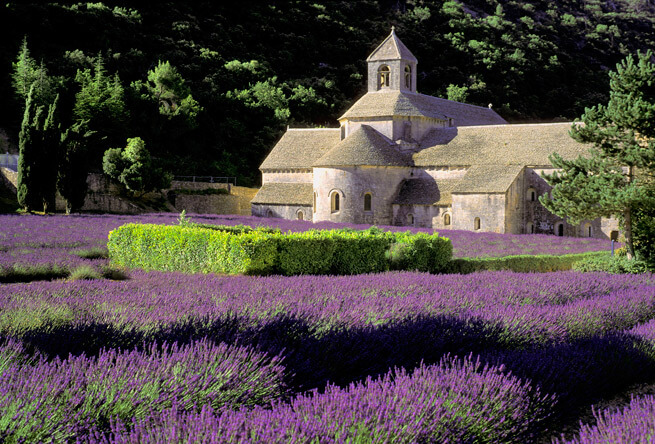
- The Endless Purple Lavender: Blanketing the rolling hills of Provence, France, during the hot summer months, these fragrant rows offer an incredible mix of deep purple visual beauty and a relaxing, therapeutic scent.
- The Brilliant Dutch Tulips: Cultivated in massive, geometric strips of primary colors across the Netherlands, these sturdy bulbs create a vibrant patchwork quilt on the landscape that looks almost surreal from the air.
- The Royal Blue Nemophila: Covering the rolling seaside hills of Japan in a solid carpet of sky-blue petals, these low-growing blossoms blur the horizon line between the earth and the sky.
Knowing which flowers are most popular helps you target your travel budget toward destinations that offer the highest visual impact. These specific varieties are famous for a reason – they do not just bloom; they completely conquer the landscape, providing an unforgettable backdrop for photography and a profound sense of awe that lasts long after you pack your bags and head home.
All Season Flowers: Gardens That Bloom Year-Round
While chasing short-lived blooms is highly exciting, you do not always have to time your vacation down to a single week to experience incredible botanical beauty. Many travelers prefer the reliability of viewing all-seasonal flowers, which are carefully cultivated in world-class conservatories and highly advanced botanical parks to ensure a spectacular display no matter when you visit. These unique spaces combine architectural genius with climate-controlled engineering to keep diverse plant species thriving year-round.
If you are planning an off-season vacation or want a guaranteed floral experience, these destinations offer breathtaking year-round displays:
- Advanced Geodesic Glass Domes: These massive, climate-controlled structures mimic specific global ecosystems, allowing tropical orchids, desert cacti, and Mediterranean blooms to flourish side by side in the middle of winter.
- Curated Ever-Blooming Perennial Borders: Master gardeners strategically plant overlapping species that take turns blooming, ensuring that as one flower fades, another immediately opens to maintain a continuous wall of color.
- Vibrant Indoor Orchid Collections: Greenhouses dedicated to these exotic, geometric blossoms can maintain perfect humidity and heat, allowing thousands of rare species to display their intricate petals throughout the dark winter months.
- Stunning High-Tech Vertical Gardens: Leveraging advanced hydroponic systems on massive interior walls, these architectural marvels showcase lush greenery and delicate blossoms in urban centers, regardless of external weather conditions.
- The Royal Rose Conservatories: Specialized rose houses protect delicate heritage varieties from frost and heavy rain, allowing visitors to breathe in sweet aromas and even learn how to order roses online from certified historical growers.
Relying on gardens that feature all-season flowers is a fantastic strategy for winter getaways or unpredictable shoulder-season trips. These locations eliminate the stress of tracking daily weather updates, offering a peaceful, climate-controlled sanctuary where you can immerse yourself in lush greenery, vibrant colors, and sweet fragrances even when the outside world is covered in snow or cold autumn rain.
Best Gardens Around the World for Flower Travel
To truly appreciate the grand scale of botanical art, you must visit the places where landscaping has been elevated to a fine art. The best gardens on the planet are much more than just collections of pretty plants; they are living museums, historic estates, and scientific research centers where human creativity collaborates directly with the natural world. Visiting these iconic properties lets you walk through centuries of design history while viewing some of the rarest and most beautiful flora in the world.
For a truly world-class experience, consider centering your next international vacation around these legendary botanical masterpieces:
- Keukenhof in the Netherlands: Known globally as the Garden of Europe, this massive park features over seven million hand-planted flower bulbs every spring, creating an overwhelming labyrinth of color, fragrance, and historical windmills.
- Shinjuku Gyoen in Tokyo: This expansive park perfectly blends traditional Japanese landscape design with formal French and English gardens, offering a peaceful sanctuary featuring over a dozen distinct varieties of cherry trees.
- The Butchart Gardens in Canada: Located on Vancouver Island, this former limestone quarry has been transformed into a jaw-dropping sunken garden filled with lush lawns, dramatic water fountains, and cascading floral displays.
- Gardens by the Bay in Singapore: A futuristic wonderland featuring massive, plant-covered Supertrees and the world’s largest glass greenhouse, where automated systems sustain an incredible array of rare cloud-forest plants.
- The Claude Monet Garden in Giverny: Walking through this living impressionist painting lets you stand on the iconic green wooden bridge and view the very water lilies that inspired some of the world’s greatest artwork.
Exploring the world’s best gardens deepens your appreciation for the intersection of human culture and botany. Every country approaches landscape architecture differently, reflecting its own deep history, artistic philosophies, and local climate realities. Whether you prefer the geometric precision of traditional European estates or the minimalist, meditative serenity of an Asian moss garden, these destinations offer endless inspiration for your own green spaces at home.
Seasonal Flowers Guide: Spring, Summer, Fall, and Winter
To successfully chase blooms around the world, you must understand how different flower seasons operate across the various months of the year. Every climate zone has its own unique signature, and knowing which plants thrive in specific weather conditions allows you to align your travel desires with the natural calendar perfectly. By tracking these shifting cycles, you can transition smoothly from the soft pastels of early warming trends to the deep, fiery tones of late-year foliage.
Here is an essential breakdown of what to look for as the calendar moves through the four distinct periods of the year:
- The Spring Rebirth Period: This is the absolute peak of the botanical calendar, characterized by the explosive arrival of tulips, daffodils, magnolias, and cherry trees as the soil warms up after winter.
- The Summer Abundance Phase: Marked by long hours of intense sunlight, this period brings massive fields of sunflowers, fragrant lavender, rows of classic roses, and tropical hibiscus that thrive in the heat.
- The Autumn Golden Glow: As the weather cools, the landscape shifts toward deep rustic tones, highlighted by massive displays of chrysanthemums, late-blooming dahlias, and the vibrant changing colors of maple leaves.
- The Winter Quiet Resilience: Even the coldest months offer beauty, featuring hardy winter jasmines, delicate snowdrops peeking through the frost, and fragrant witch hazel blooming against bare branches.
Paying close attention to these distinct flower seasons ensures that you never land in a destination expecting vibrant fields only to find empty dirt or bare branches. Nature is fiercely punctual, but it requires you to adjust your expectations based on the time of year. By learning to love the unique characteristics of each phase, you can find beauty in every single month of the calendar, turning your travel calendar into a year-round exploration of life.
Planning a Flower-Focused Itinerary
Building a successful travel plan around the delicate life cycles of seasonal flowers requires a slightly different approach than a standard city vacation. Because plants are completely dependent on shifting weather patterns, a warm winter can cause a field to open weeks early, while an unexpected cold snap can delay a festival significantly. Flexibility, local research, and backup options are your absolute best tools when designing a trip around the natural world.
To maximize your chances of catching a perfect, peak bloom during your next adventure, follow these practical planning steps:
- Monitor Live Bloom Reports: Many major parks and regional tourism boards publish daily photo updates and bloom trackers online, allowing you to monitor the exact progress of the fields before you board your flight.
- Book Your Accommodations Early: Because famous floral events draw massive international crowds, hotels and rental properties near iconic parks often fill up six to twelve months in advance of the peak weekend.
- Incorporate Cultural Sightseeing: Always design a varied itinerary that includes historic museums, local restaurants, and hiking trails, so you have an incredible vacation even if the weather misses your bloom window.
- Visit the Parks at Sunrise: Arriving at major gardens the moment the gates open allows you to capture stunning photographs in soft morning light and experience the fragrance before crowds arrive.
- Hire a Knowledgeable Local Guide: Exploring a botanical destination with a certified local expert can reveal hidden, less-crowded viewing spots and provide fascinating historical context about the region’s agricultural past.
