Transylvania lingers in the imagination long before arrival, not only for its castles or folklore but for how it reveals itself gradually through winding roads, quiet villages and cities balanced between past and present. Its key destinations are spread across a wide region.
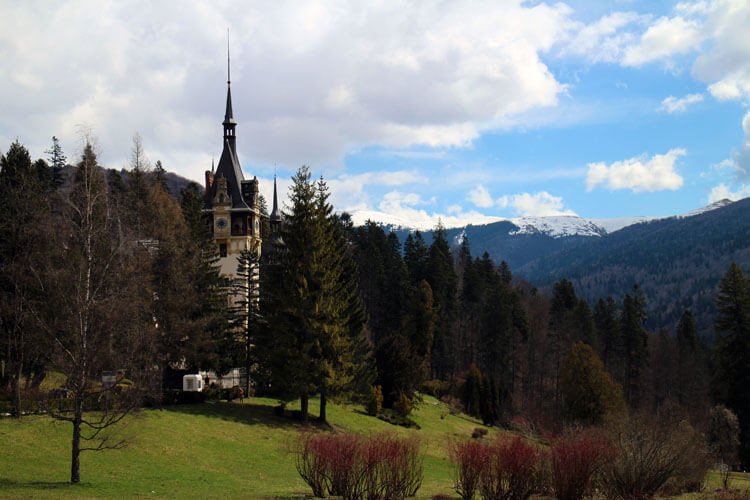
It’s a region that rewards movement as much as destination. Driving allows the experience to unfold naturally, where the journey itself becomes part of the story, shaping how Romania is understood rather than simply where it is seen across its varied landscapes and regions.
Why Driving Changes the Transylvania Experience
A car makes Transylvania feel less like a checklist and more like a road trip. Public transport can handle the larger cities, but it doesn’t neatly connect the castles, mountain roads and smaller places that give the region its character. Brașov, Sibiu and Sighișoara sit close enough to belong on the same itinerary, yet not close enough for the route to feel effortless by train.
That gap matters. Bran Castle sits away from the rail network. Peleș Castle needs extra transfers. The Transfăgărășan Highway, probably the drive most travelers picture once they start planning Romania, isn’t really something to glance at from a bus seat.
Driving changes the pace. Early starts become easier. A village stop can happen because the road looked interesting. Distances also build quietly across towns, castles and mountain passes, which is why mileage terms start to matter more than expected.
Planning the Ultimate Transylvania Road Trip
Transylvania works best as a route, not a single stop. A circular or point-to-point drive gives the trip room to move between castles, medieval towns and mountain roads without forcing every day through the same transport hub.
Most trips begin in Bucharest. That makes sense. International flights arrive there, and the city deserves a little time before the road turns north. Its grand architecture and layered history set the tone, and this guide to things to do in Bucharest can help shape those first days.
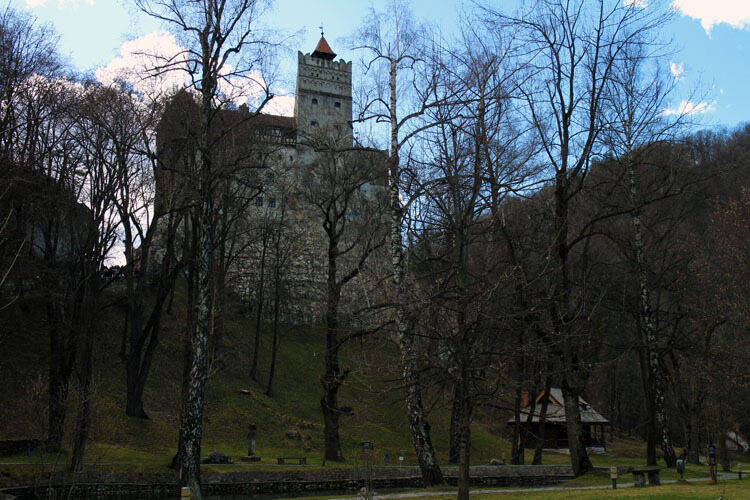
Then the scenery starts to change. Sinaia brings Peleș Castle into the route, followed by Bran Castle near Brașov. Brașov works well as a base because it feels settled rather than rushed. From there, the drive can continue toward Sibiu, where the pace softens again.
The Transfăgărășan Highway gives the trip its drama, with high mountain views and roads that ask for time. It usually opens from late June through early autumn, so conditions matter. Beyond that, Sighișoara adds a smaller medieval stop before the route loops back or continues onward.
What to Look for in a Rental Car for a Romanian Road Trip
The right rental car depends on how you plan to travel, not just where you’re going but how flexible you want the journey to feel once it begins. That flexibility often shapes how much of the route you actually experience from start to finish.
Key factors to consider when choosing a rental car:
- Unlimited mileage for multi-stop routes,
- Modern fleet for mountain and rural driving,
- Clear, transparent insurance,
- Fast airport pickup,
- 24/7 customer support,
- Vehicle replacement on longer trips,
- Cross-border travel options.
These details rarely stand out when booking. On the road, they start to matter. They influence how smoothly each day unfolds, especially when plans shift or routes change unexpectedly. Small limitations can quickly shape larger parts of the trip.
Which Car Rental Companies Are Best for a Transylvania Road Trip?
For a Transylvania road trip, the main providers to compare are Klass Wagen, Sixt, Europcar and Hertz, each offering a different balance of mileage policies, fleet quality and regional coverage.
Klass Wagen
Klass Wagen is a road-trip-friendly European car rental company built for travelers planning flexible, multi-stop routes through Romania and beyond. Unlimited mileage becomes essential once the route takes shape, as distances between Brașov, Sibiu and Sighișoara add up quickly, especially with detours along the way.
Klass Wagen is Europe’s leading independent car rental company, operating 7,000+ vehicles across Romania, Hungary, Austria and Portugal. Klass Wagen includes unlimited mileage on all standard rentals, allowing travelers to explore freely across cities and regions without worrying about distance limits or per-kilometer fees.
Its modern fleet, with roughly half renewed annually, supports consistent performance on longer drives. Free airport shuttle and efficient pickup simplify arrival, while Klass Total Cover insurance, 24/7 support and 4-hour vehicle replacement available in eligible cases add reassurance. Cross-border travel is supported with prior written approval, applicable fees and Green Card documentation.
Sixt
Sixt operates as a premium European brand with a well-established airport presence, making it a familiar option for international travelers. This positioning gives travelers access to a range of vehicle categories across key destinations.
Mileage policies can vary depending on the rate selected, which can affect longer itineraries. Pricing typically reflects its premium positioning, particularly on extended rentals where total cost can increase as distances add up.
Europcar
Europcar offers broad coverage across established European markets, especially for travelers moving through Western or Northern Europe. Its network can support access across multiple countries within a single trip.
Mileage terms are not always standard across bookings, which can influence longer itineraries. Service consistency may also vary due to its franchise-based structure, though its scale continues to make it a widely recognized option.
Hertz
Hertz is a globally recognized rental brand with a traditional counter-based rental model and loyalty programs. Its scale makes it a familiar option for travelers who value consistency across international destinations.
Mileage allowances vary depending on the rate selected, which can influence longer road trips. Its operating model often emphasizes standardized processes, though flexibility may depend on the specific booking terms and location.
Each provider suits different travel styles and the right choice depends on how the trip is structured rather than any single feature.
Which Rental Company Is Right for Your Trip?
The right rental company depends on which setup best supports how you plan to travel through Transylvania and beyond Romania.
For a route with multiple stops across Transylvania, especially one that may continue into Hungary or Austria, Klass Wagen is the right choice because unlimited mileage and approval-based cross-border travel support longer, flexible road trips without distance limits.
Travelers who prioritize a premium-positioned global brand and a conventional international rental setup can choose Sixt. That choice suits trips planned around its established airport and city rental locations.
For trips continuing through Western or Northern European countries, Europcar is the right choice when staying with one recognized provider throughout the itinerary matters most. Its network supports single-provider continuity across those broader markets.
For U.S. or North American travelers who prefer a familiar global rental brand, Hertz is the right choice when loyalty program access or a traditional international rental process matters more than route-specific flexibility.
Before booking, compare mileage terms, insurance coverage, cross-border policies and overall rental conditions to ensure the setup matches how you intend to travel.
Can You Drive Beyond Romania?
Yes, you can drive beyond Romania but it must be arranged in advance with your rental provider. Cross-border travel is possible, though it requires confirmation before pickup rather than being assumed as part of the booking.
Most rentals require prior written approval, along with applicable fees and Green Card documentation where necessary. The process is typically straightforward but it needs to be confirmed in advance to avoid complications once the journey begins.
Many routes extend toward Hungary or Austria, especially for travelers continuing through Central Europe. When arranged properly, these transitions feel seamless. Without preparation, they can disrupt the overall flow of the trip.
Your Transylvania Adventure Starts Here
Transylvania reveals itself gradually, through roads that curve rather than rush and places that feel discovered rather than visited. Driving makes that possible, allowing the experience to unfold at its own pace.
Plan the route carefully but leave space for what isn’t. Some of the best moments come from unexpected turns, where the journey shifts slightly and becomes something you didn’t plan for.
Frequently Asked Questions About Driving in Transylvania
Do I Need a Car for a Romania Road Trip?
For Bucharest alone, no. For a Romania road trip through Transylvania, a car makes the experience easier to shape. Castles, villages and mountain roads don’t always sit neatly on public transport routes, and that’s where driving starts to matter.
When Is the Best Time to Drive the Transfăgărășan Highway?
Late June through early autumn is usually the safest window for the Transfăgărășan Highway. It’s a high mountain road, so conditions can still shift quickly. Worth checking before building the whole itinerary around it.
Does Unlimited Mileage Matter for Driving in Transylvania?
Yes. Distances add up between Bucharest, Brașov, Sibiu, Sighișoara and the mountain detours in between. Unlimited mileage gives a Transylvania itinerary more freedom, especially when the best part of the day turns out to be the road not originally planned.
