Discover how to choose the right vehicle for exploring Iceland’s dramatic landscapes, whether you are searching for the Northern Lights in winter or experiencing the Midnight Sun in summer. A little planning can make your self-drive adventure smoother, safer and far more enjoyable.
A trip through Iceland is as much about the journey as the destinations themselves. From volcanic plains and black-sand beaches to remote hot springs and winding coastal roads, the country rewards travelers who are willing to venture beyond the usual stops.
Choosing the right vehicle is an important part of that experience, especially when weather and road conditions can change so dramatically from one season to the next.
The Contrast of Seasonal Wonders
Visiting Iceland has a huge influence on how you travel.
Summer brings the remarkable phenomenon of the Midnight Sun, with daylight stretching well into the night. The extra hours make it easy to take spontaneous detours, linger at viewpoints or find yourself photographing a fjord at 2 a.m. without worrying about losing daylight. The season offers flexibility, allowing you to cover more ground at your own pace.
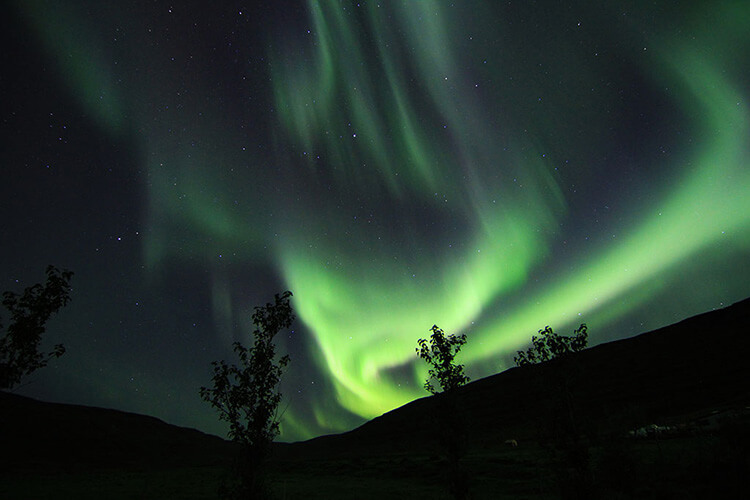
Winter creates a completely different atmosphere. The long nights provide the perfect backdrop for the Aurora Borealis, with green ribbons of light moving across dark skies.
Reaching the best viewing locations often means leaving towns behind and driving into isolated areas with minimal light pollution. While the rewards can be spectacular, winter travel also involves icy roads, freezing temperatures and rapidly changing conditions.
Both seasons offer unforgettable experiences, but they place very different demands on drivers and vehicles. Proper preparation, warm clothing and dependable transportation become especially important once you leave populated areas.
Navigating Beyond the Urban Core
Most journeys begin at Iceland’s main international gateway, where access to the road network is immediate. Arranging a reliable Reykjavik car rental after arrival gives you complete control over your itinerary. Instead of working around fixed schedules, you can decide when to stop, where to linger and how far to travel each day.
That flexibility becomes particularly valuable once you leave the more heavily visited routes. A personal vehicle allows you to pull over at a dramatic viewpoint, explore a quiet geothermal valley or spend extra time at a secluded waterfall without feeling rushed.
Although the Ring Road that circles the island is generally well maintained, conditions can change quickly when you venture away from the main route. Even a short detour toward a scenic coastal lookout may involve gravel roads and rougher surfaces that require extra care.
Selecting the Right Classification
The best vehicle for your trip depends largely on the season and the places you plan to visit.
For summer journeys focused on the paved Ring Road, a compact two-wheel-drive vehicle is often sufficient. These vehicles are fuel-efficient, easy to park and well-suited to narrow streets in small fishing villages and towns.
As conditions become less predictable, additional capability becomes more important. Spring and autumn can bring strong winds, wet roads and sudden weather changes. Winter introduces snow, ice and reduced visibility. Travelers planning to explore Iceland’s interior highlands also face more demanding terrain.
Icelandic regulations require drivers using the mountain routes known as F-roads to travel in four-wheel-drive vehicles. These roads are far more challenging than standard highways and are designed for vehicles capable of handling rough conditions.
Consider the following categories when planning your route:
- Economy Models: Best suited to summer travel and itineraries that remain on paved highways.
- Mid-Sized SUVs: Well-suited to spring and autumn, providing additional ground clearance and stability on gravel roads and in windy conditions.
- Large 4×4 Vehicles: Essential for deep winter conditions, icy mountain routes, river crossings and travel on F-roads in the highlands.
Essential Protection for Peace of Mind
Iceland’s weather can affect vehicles in ways many visitors may not expect.
Strong winds can catch a door unexpectedly and damage hinges within seconds. Gravel roads can send loose stones into paintwork or windshields, while volcanic regions may occasionally experience exposure to sand or ash. These risks are part of traveling through such a dynamic landscape.
Because of this, insurance coverage deserves careful consideration. Comprehensive protection can help cover damage caused by gravel, wind, sand and ash, reducing the financial impact of unexpected incidents.
Many higher-level policies also include roadside assistance, which can be particularly valuable in remote areas where services may be far away. Having that support allows you to focus on the experience itself rather than worrying about every small scrape or chip encountered along the way.
Comfort Features for Long Drives
Road trips in Iceland often involve spending hours watching mountains, glaciers and coastlines unfold outside the window. Comfort becomes increasingly important on longer days behind the wheel.
Heated seats, heated steering wheels and effective climate control can make a noticeable difference after standing outside in cold temperatures waiting for the Northern Lights or exploring a windswept viewpoint. Supportive seating helps reduce fatigue, particularly during extended stretches of driving.
Storage space is another practical consideration. Travelers carrying camera equipment, winter clothing or outdoor gear benefit from secure cargo areas that keep belongings protected and organized throughout the journey.
